Michael Barkasi
About me
I’m a staff scientist for Oviedo Lab, an electrophysiology lab in the department of neuroscience at Washington University in St. Louis (WashU). Previously I was a lecturer in the department of philosophy and the philosophy-neuroscience-psychology program at WashU, a postdoctoral visitor with Harris Lab at York University studying the integration of auditory and proprioceptive feedback in the control of movement, and a postdoctoral research fellow at the Network for Sensory Research in the Department of Philosophy, University of Toronto. I completed my Ph.D. in philosophy at Rice University (Houston, Texas), where I also was one of the coauthors of the program’s textbook in mathematical logic.
Computational Neuroscience
My projects
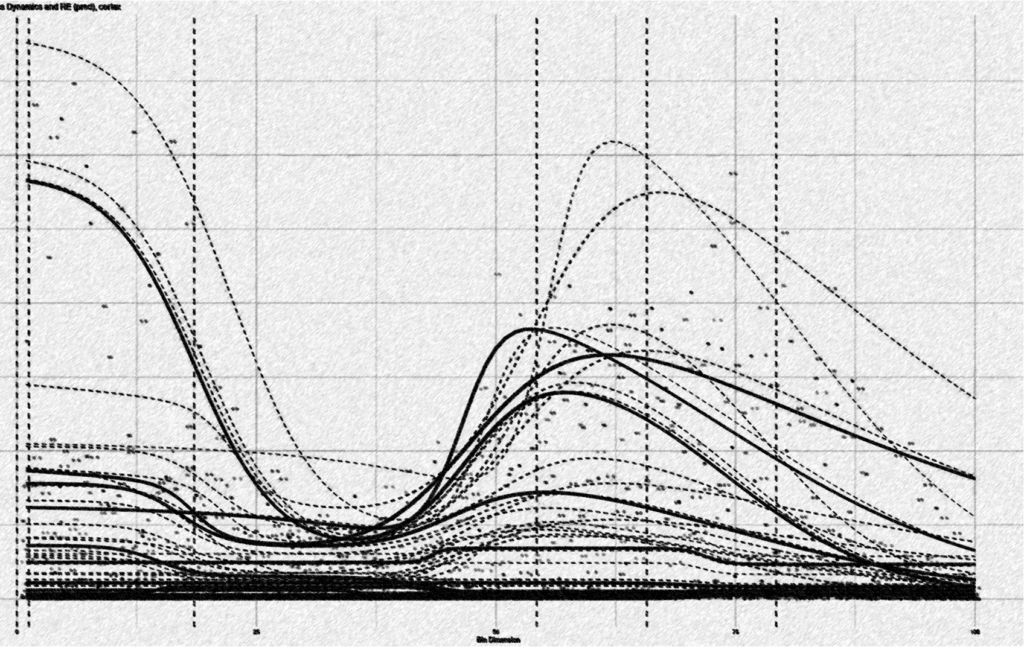
- Neuromorphic circuits for speech recognition inspired by models of auditory edge detection.
- Molecular mechanisms behind auditory cortex lateralization, especially developing models using spatial transcriptomics data.
- Lateralized recurrent pathways in auditory cortex.
MERFISH accuracy estimation
Improved quality control for MERFISH data
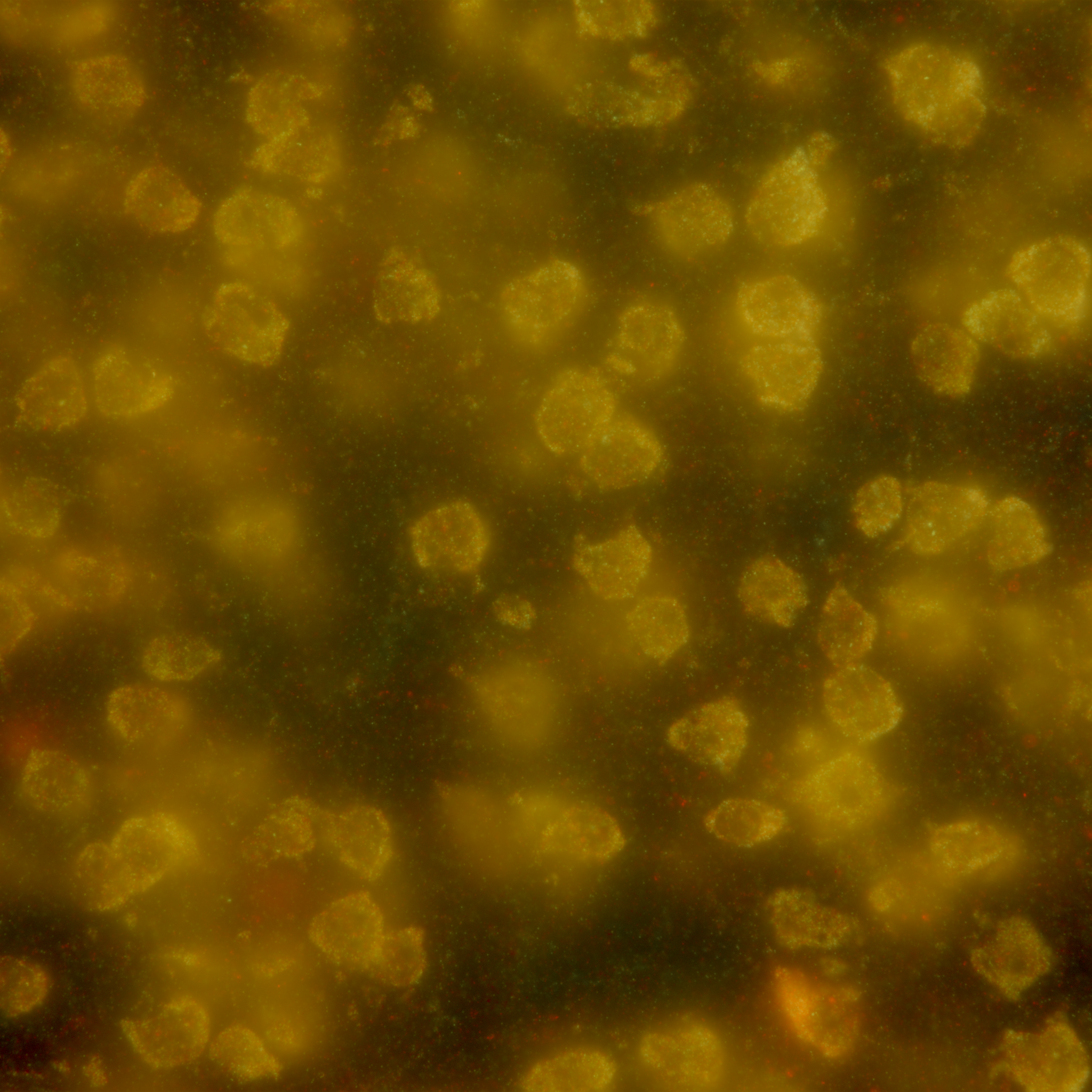
MERFISH technologies like MERSCOPE label luminance spots by decoding barcodes. It’s been known since the original work by the Zhuang Lab [10.1126/science.aaa6090] that more than half of labels can be incorrect, so it’s important to be able to estimate which RNA species in a run are reliable. To meet this need, I’ve developed a new statistical technique for estimating the ratio of mislabeled spots in barcode-based spatial transcriptomics data. Happy to chat with anyone interested in learning more. [WashU Innovation Catalog]
DACx
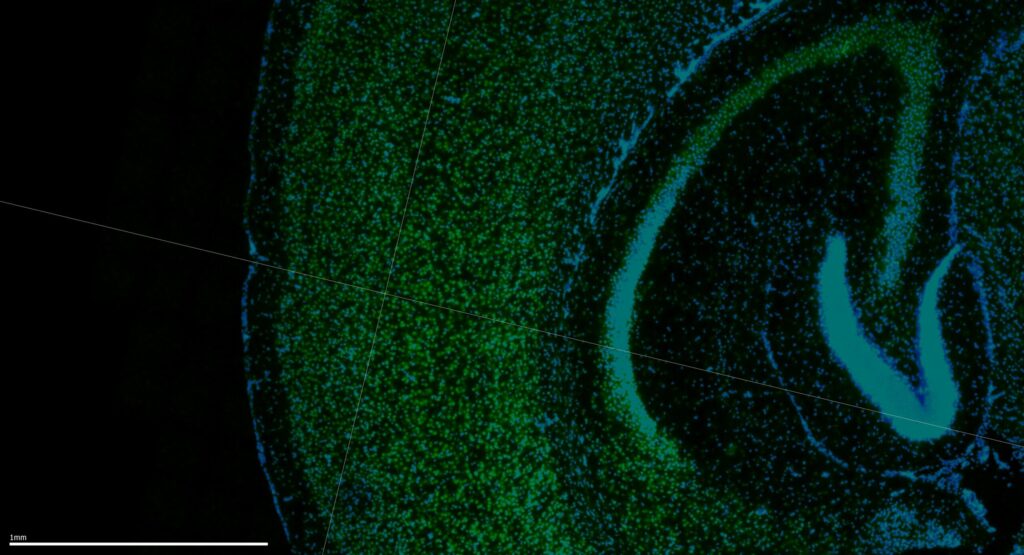
Digital Auditory Cortex
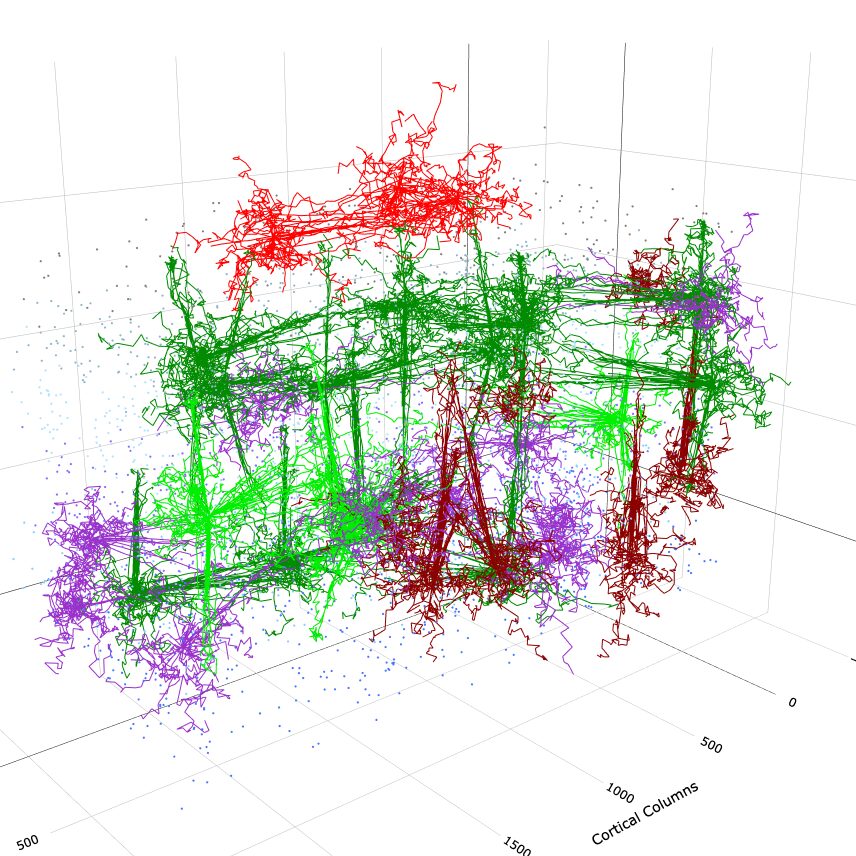
R/C++ package for running biologically realistic simulations of the mammalian auditory cortex, i.e., a “digital twin”. Network topologies are built from circuit motifs and spiking is simulated via growth-transform.[GitHub][Documentation]
wispack
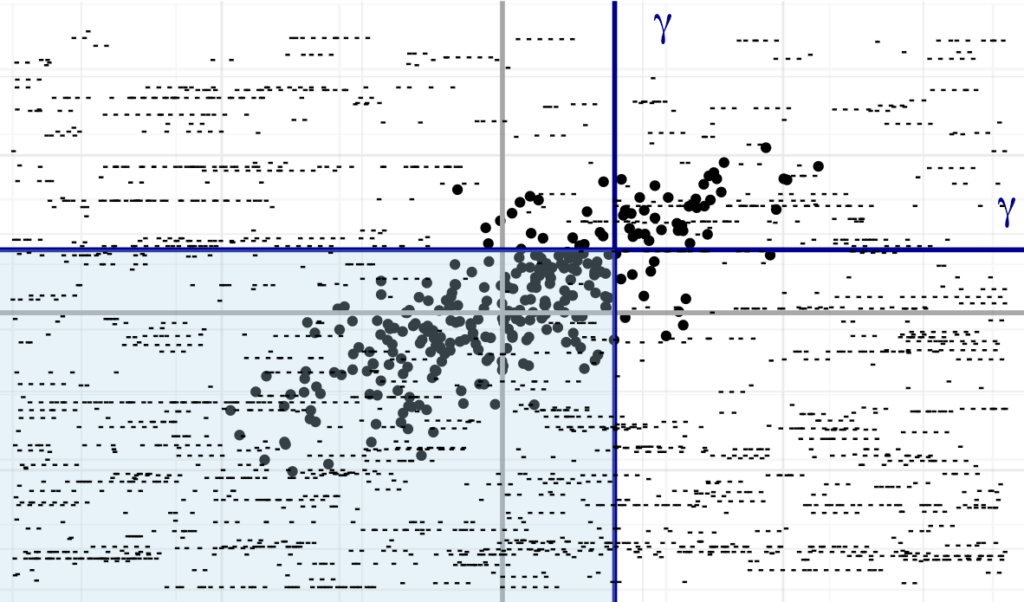
Modeling gene transcription in space
Implements warped sigmoidal Poisson-process mixed-effects models, a tool for testing for between-group effects on the spatial distribution of genes. [GitHub] [documentation] [paper] [preprint]
neuronsDG package
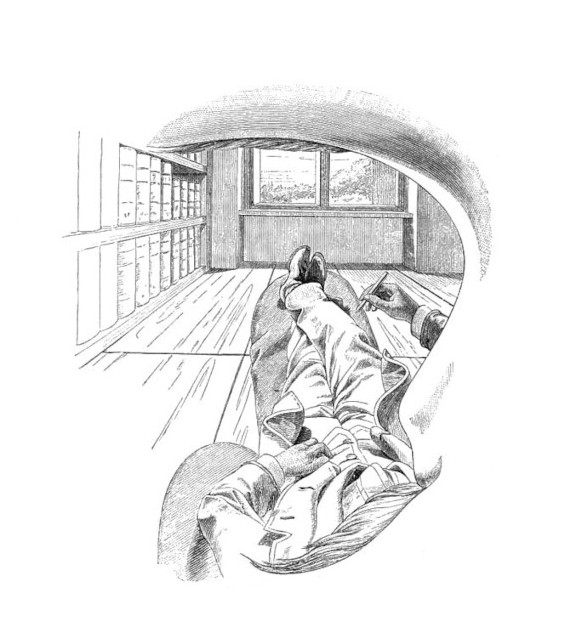
NeuronsDG package
R/C++ package for modeling single-neuron spiking with autocorrelation and cross correlation, using dichotomized Gaussians. [GitHub] [documentation]
Phenomenology
Philosophical work
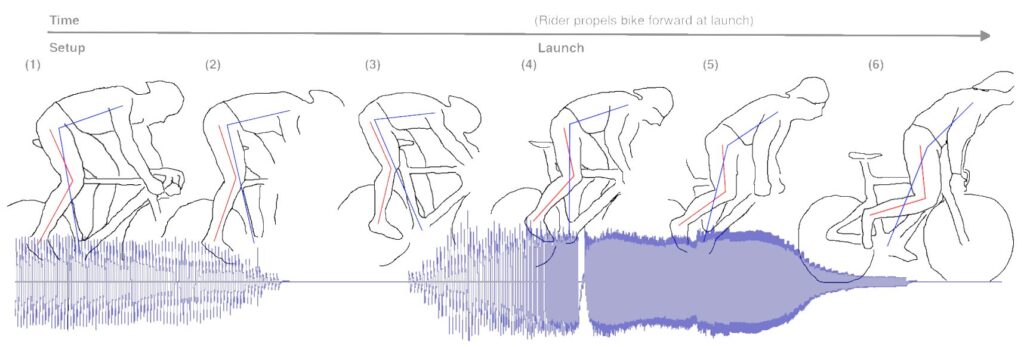
I’m interested in how memory and sensory perception interact to afford consciousness of the past and present. My work focuses on experiencing what’s not there (memories, dreams, hallucinations), the feelings of presence and pastness, and the neural correlates of consciousness. Check out this piece and this piece on presence and digital fluency, or this paper on how perception involves experience of the past. I summarize the idea in a blog post. (Image: Self-portrait, Ernst Mach, 1886)
Movement Sonification
Improving bodily awareness with sound
Before my transition to neuroscience I did behavioral psychology experiments on how auditory feedback can augment, replace, and enrich natural proprioception, improving motor learning and motor control in fast, skilled movements. This work involved developing ultra fast wearable embedded sensor systems for movement sonification. I worked with the Cortex M4 and ESP32, developed bare-metal digital sound synthesis techniques (two-timer pulse-width modulation, based off a class-D amplifier), used inertial sensors, designed bespoke PCB feathers (KiCad), and 3D printed enclosures (FreeCAD).
As part of this sonification work I wrote motion processing algorithms for both real-time processing in embedded hardware (C++) and for post-processing (R). This work involved motion detection and segmentation, coordinate transformations, input integration, path comparisons (error estimation), and time-warping (both post-processing dynamic time-warping and real-time online warping estimates).
Interested in chatting about human perception, computational neuroscience, or movement sonification?